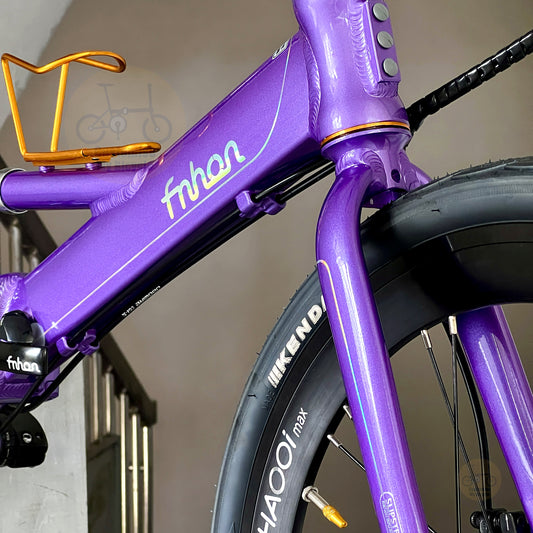
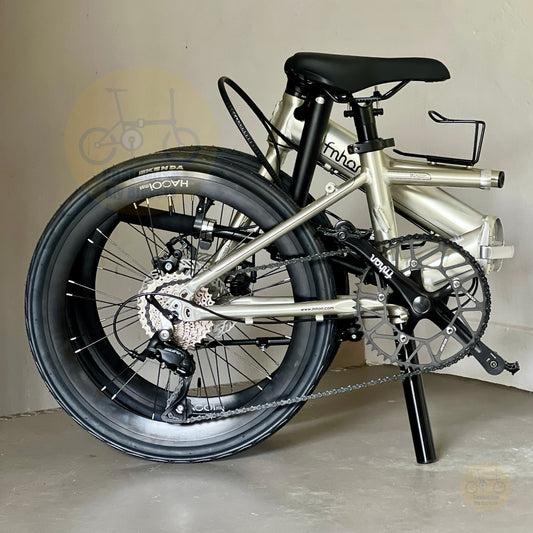
Folding Bike “Value for Money” Truth & Myth
Cheng-San LokeMost people overthink specs and ignore how a folding bike is actually used. Real value is much simpler than a spec sheet.
1. Real value comes from usage
A folding bike is only worth it if you actually ride it often. The more you use it, the more value you get from it.
- Ride 3–5 times a week = real return on value
- Daily commuting = maximum cost efficiency
- Rare use = wasted purchase, no matter how cheap or expensive
2. Specs don’t define true performance
High-end components look impressive, but they don’t guarantee a better overall experience.
- Shimano 105 or similar groupsets don’t fix a bad frame
- Hydraulic brakes don’t compensate for poor tuning
- “Fully upgraded” builds can still ride poorly
 3. Resale value is part of the equation
A bike’s real cost includes how much you can recover later. Many beginners ignore this completely.
- Established brands sell easily in second-hand market
- Unknown brands lose value quickly
- Strong resale reduces long-term cost
4. Frame quality matters more than upgrades
The hidden foundation of a folding bike is what determines long-term satisfaction.
- Good frame = stable, quiet, reliable ride
- Weak frame = flex, noise, discomfort
- Poor folding mechanism = long-term safety issues
5. The most expensive mistake
Buying based only on specs often leads to a longer and more expensive upgrade path.
- High specs + weak frame = wasted upgrades
- Endless spending on fixes and replacements
- Eventually selling at a loss and restarting
Final takeaway
True folding bike value is not about specs on paper.
- How often you ride it
- How good it feels to use
- How well it holds resale value
That combination is the real definition of cost-performance.